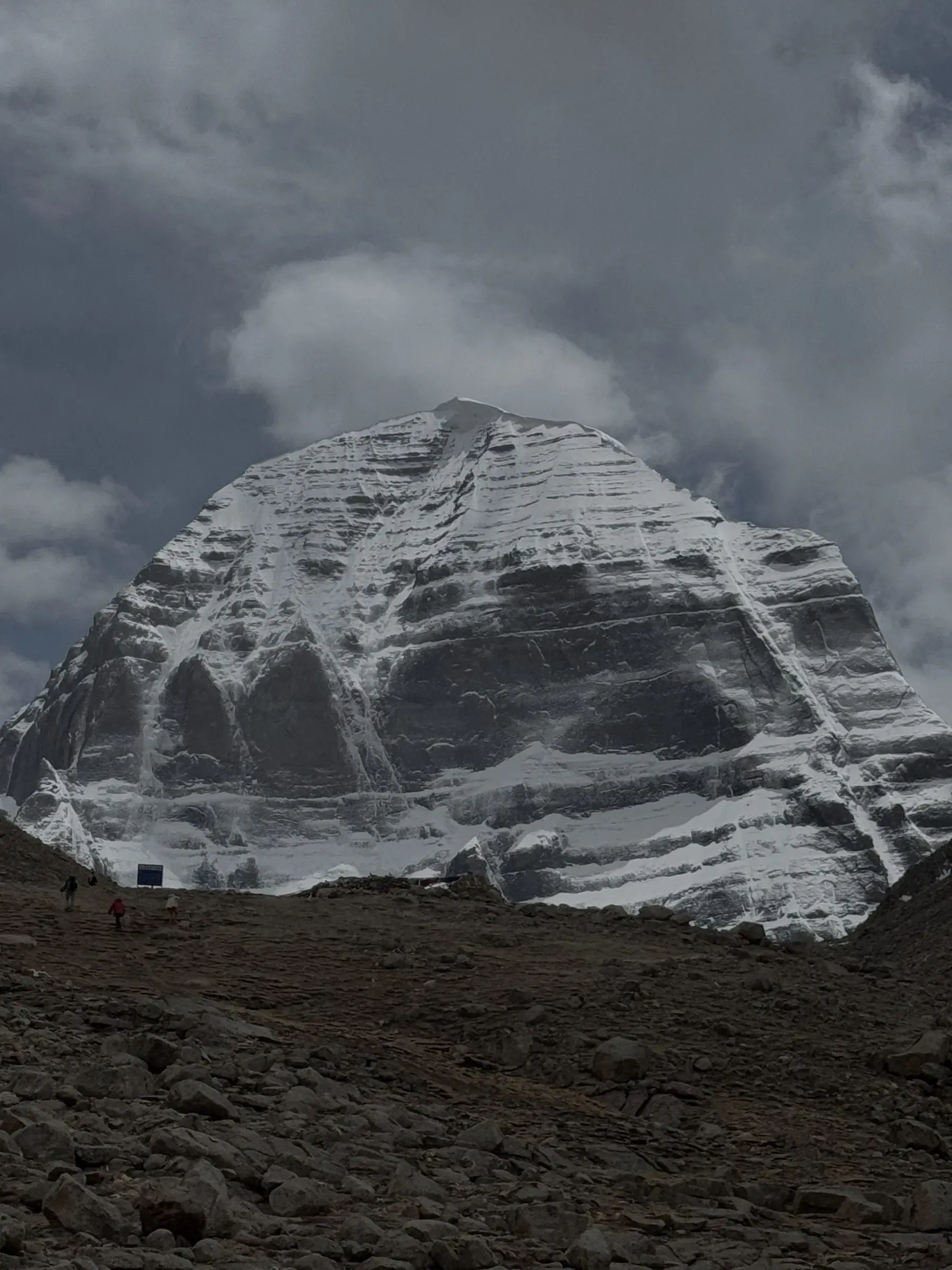
The main mistake in Tibet is haste. Altitude does not forgive ambition, so our route to Everest and Kailash is built around slow acclimatization, not around ticking off sights.
For the first two days we go nowhere at all. Lhasa lies at 3,650 metres, and that is already altitude. We stroll around Barkhor, drink sweet tea in teahouses and give the body time. Only on day three do we drive to Yamdrok Lake.
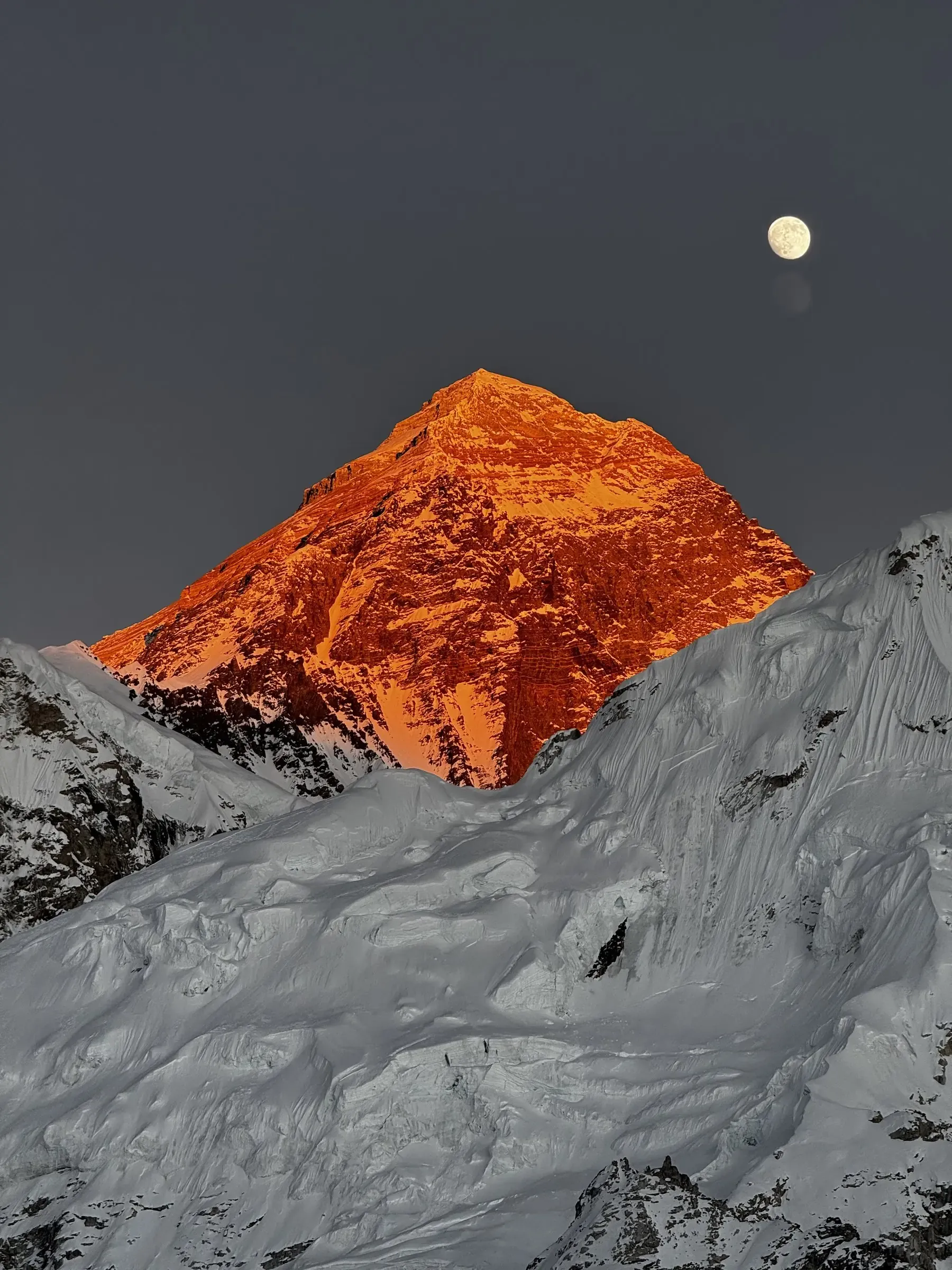
We reach Rongbuk and Everest’s north face on day five, when 5,000 metres no longer feels frightening. We sleep in the monastery guesthouse: simple conditions, but sunrise over Everest from your window beats any five-star hotel.
The kora around Kailash is three days of walking. Day one is gentle: a trail along the river to Dirapuk. Day two is the hardest and the most beautiful: the Drolma-La pass at 5,630 metres. Day three is short, and by evening we are back in Darchen — a hot shower and a long group conversation.
Every evening on the route holds an hour of silence or talk. In the mountains it works differently than in the city: altitude and fatigue peel away the protective layers, and people speak more honestly. That is not a side effect of the journey — it is the point.
If you doubt you can make it: our pace is step and pause, step and pause. People over 55 with no mountain experience have completed this route. The key is to fill in the health questionnaire honestly and trust the acclimatization.
Routes we have travelled ourselves and are ready to share with you.
Choose a route